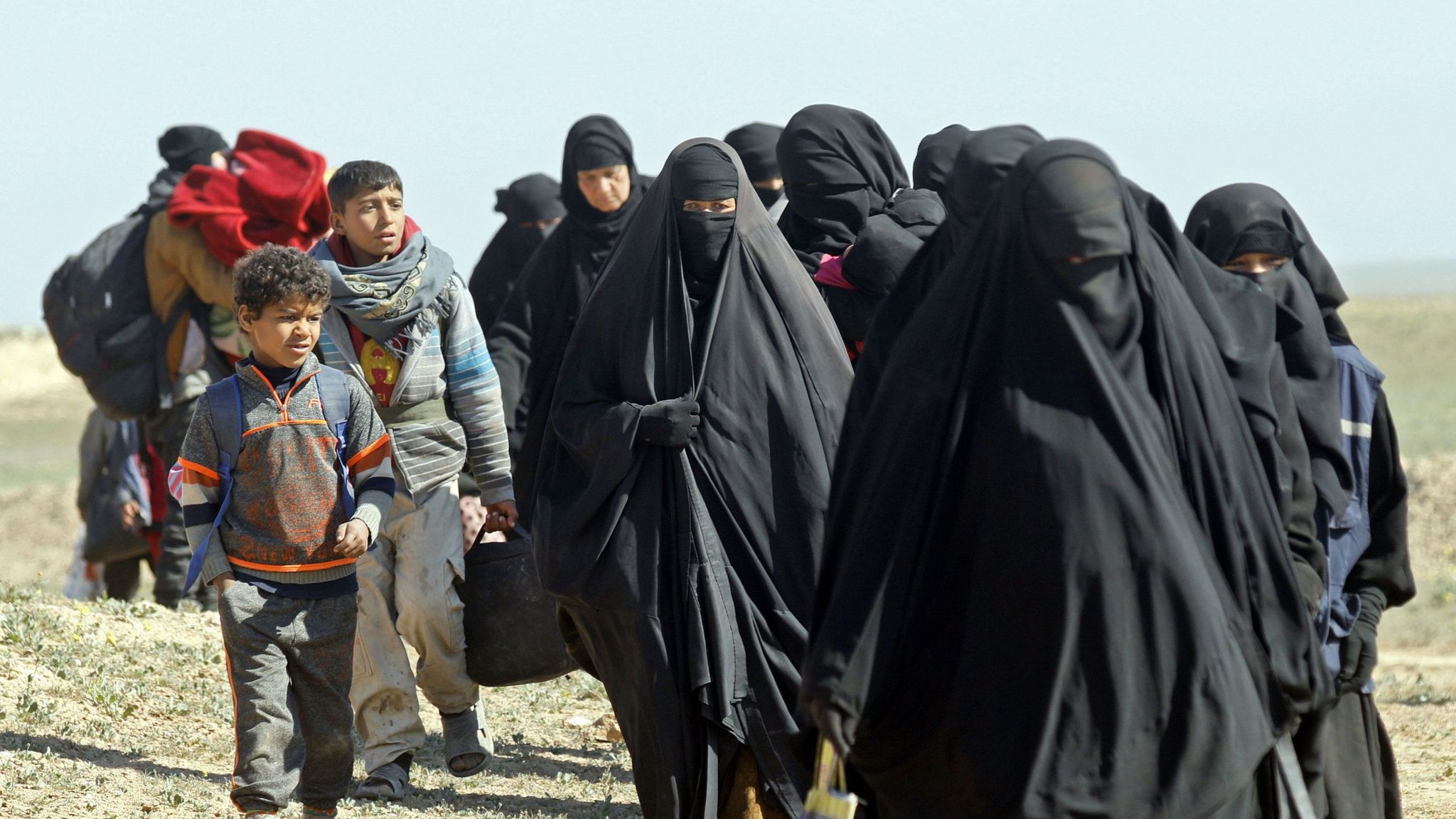
Flattery, The Pain That Has Weighed Heavily on the Kurds
Flattery can become a social illness when fear, personal interests, and blind loyalty lead to excessive praise of power. It weakens criticism, honesty, and social dignity.
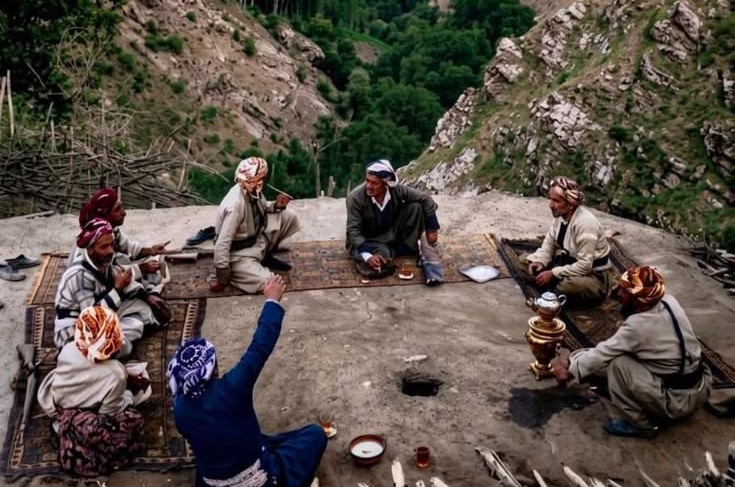
Flattery can become a social illness when fear, personal interests, and blind loyalty lead to excessive praise of power. It weakens criticism, honesty, and social dignity.
Flattery — When Praise Becomes a Social Illness
Flattery is one of the oldest problems in human societies, but in Kurdish society it has increasingly taken on a wider and more visible form. What may begin as an individual behavior can gradually become a social phenomenon, turning excessive praise and submission into something that appears normal.
At its core, flattery means deliberately exaggerating praise or admiration toward a person or authority in order to gain closeness, protection, influence or personal benefit. The praise is not necessarily sincere; instead, it can become a tool for achieving an interest.
EXHIBIT A — The Ethics of Flattery
“When praise goes beyond its natural limits, it stops describing reality and begins to conceal it.”
From an ethical perspective, excessive flattery is problematic because it places the flatterer in an inferior position before the person being praised. The flatterer suppresses criticism, hides reality and replaces honesty with words designed to satisfy the powerful.
The phenomenon is not new.
Ancient Greek stories contain examples of philosophers debating the relationship between dignity and dependence.
One famous story tells of Diogenes and Aristippus. Aristippus reportedly suggested that if Diogenes had learned how to flatter kings, he would not have had to live on simple food. Diogenes responded that if Aristippus had learned to live on simple food, he would not have needed to flatter kings.
The story presents two different choices: living with fewer material comforts while preserving dignity, or enjoying wealth and privilege at the cost of independence.
EXHIBIT B — Ayaz and the Sultan
Another well-known story comes from the Ghaznavid era.
According to the story, Sultan Mahmud of Ghazni was eating with his minister Ayaz. When the Sultan praised a particular dish, Ayaz immediately praised it as well. Later, when the Sultan complained that the same food was bitter and unpleasant, Ayaz changed his position and condemned it.
When the Sultan asked why his opinion had changed so quickly, Ayaz replied, in essence:
“I am your servant, not the servant of the food. What pleases you, I see as good; what displeases you, I see as bad.”
The story illustrates the central problem of flattery: the flatterer does not defend the truth; he protects his relationship with power.
SOCIAL MEDIA — A MARKET FOR FLATTERY
Today, social media has created a new public arena in which this behavior can be seen every day.
There is an apparent contradiction. Many people strongly criticize individuals who flatter politicians and officials, yet the same platforms regularly display exaggerated praise directed toward powerful figures.
In some cases, individuals who have received little or no meaningful benefit from those in power still devote themselves to praising them publicly.
Why does this happen?
Three Forces Behind Political Flattery
According to the argument presented in this analysis, three factors are particularly important:
1. Fear of confronting power
People may fear criticism, retaliation or other consequences if they openly challenge powerful figures.
2. Fear for one's livelihood
Employees or individuals dependent on institutions may believe that criticizing those in authority could threaten their salary, position or economic security.
3. Absolute confidence in power
Some people genuinely believe that the authorities they support are responsible for protecting society and solving its problems, leading them to defend them regardless of evidence or outcomes.
These factors can reinforce one another. Fear can produce silence; dependence can produce praise; and unquestioning loyalty can transform praise into a permanent habit.
WHEN CRITICISM BECOMES DANGEROUS
The phenomenon becomes more serious when people feel that criticizing authority carries consequences.
According to the argument in this report, some individuals who have publicly raised complaints about political, economic or social problems have later faced pressure, surveillance or other forms of intimidation. In some cases, this can lead people to retract their statements or publicly distance themselves from their previous criticism.
Such an environment can encourage self-censorship.
When people learn that speaking honestly may carry a cost, praising those in power can become a form of protection.
WHEN FLATTERY REACHES THE INTELLECTUAL CLASS
The problem becomes particularly significant when it extends beyond ordinary citizens.
Flattery can also appear among educated people, intellectuals, academics and, at times, members of political institutions.
This creates a deeper social problem: when educated people stop questioning authority and instead use their knowledge to justify those in power, criticism becomes weaker and political accountability becomes harder.
The result is not simply praise. It is the gradual normalization of praise as a substitute for scrutiny.
THE COST OF NORMALIZING FLATTERY
A society that normalizes excessive flattery risks losing an important mechanism of self-correction.
When officials hear only praise, problems can remain hidden. When citizens are afraid to criticize, mistakes can continue without challenge. And when intellectuals participate in the same culture, the boundary between genuine public support and political propaganda becomes increasingly difficult to distinguish.
The danger is therefore not the compliment itself.
The danger begins when praise replaces truth.
THE FINAL QUESTION
Flattery is not simply an individual weakness. It can become a social illness when fear, economic dependence and unquestioning loyalty allow it to spread.
If the phenomenon is ignored, its consequences may continue for years, weakening public criticism, encouraging political dependence and making it harder for society to confront its problems honestly.
The question facing Kurdish society is therefore not whether people should praise those in power.
It is whether a society can preserve dignity, honesty and the courage to speak truth to power.
Have information about this story?
Reach our newsroom through a secure, encrypted channel.