From the End of the ISIS War to Family Breakdown: The Heavy Social Legacy of the Group
The legacy of ISIS, therefore, was not confined to the battlefield. For many families, the war continued inside the home—through displacement, economic hardship, broken marriages, and the long process of rebuilding ordinary life.
The legacy of ISIS, therefore, was not confined to the battlefield. For many families, the war continued inside the home—through displacement, economic hardship, broken marriages, and the long process of rebuilding ordinary life.
ISIS did not leave behind only destroyed homes, lost property, and displaced communities. Its rule also produced a deep social impact, reaching into the structure of Iraqi families and contributing to the separation of hundreds—and potentially thousands—of couples.
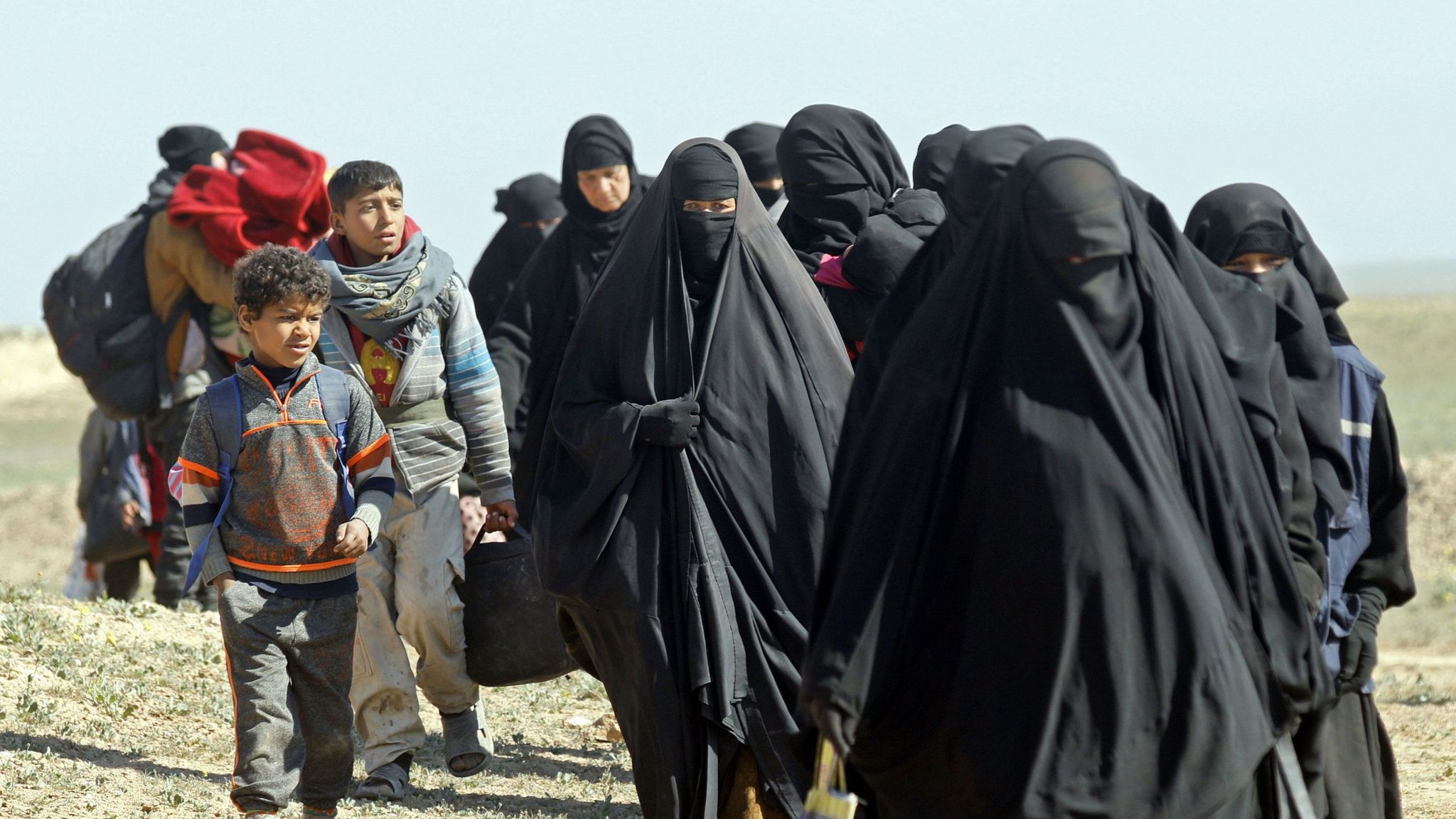
When Mosul was liberated, many families found that the end of the fighting did not mean the end of the damage. Some husbands had joined ISIS, women were left alone with children, and entire households emerged from years of displacement, fear, economic hardship, and social disruption.
Families, on the arithmetic of life after ISIS
For many families, liberation from ISIS did not end the damage. It opened a new chapter of separation, as women sought divorce and a return to ordinary life.
One example is the story of Iman, whose husband became involved with ISIS. After the liberation of Mosul, he left his wife and children facing an uncertain future. Rejecting her husband's ideology, Iman turned to the courts to seek separation and to determine a different future for her children.
Her story represents one of many forms of suffering experienced by families whose members became associated with ISIS.
A judge at the Personal Status Court in Mosul said divorce cases increased significantly after the city's liberation, with hundreds—and possibly thousands—of women filing for separation, particularly where their husbands had joined ISIS.
The judge noted that Iraqi law provides mechanisms for separation in certain circumstances, including cases in which a husband has fled or established a relationship with an opposing or hostile party. For many women, the courts therefore became a route toward rebuilding their lives after the relative return of stability.
The destruction of homes and mass displacement during ISIS rule also placed enormous economic and social pressure on families. Rising unemployment, poverty, and deteriorating living conditions added another layer of pressure, contributing to family breakdown.
The numbers tell a wider story
Iraq has recorded a significant increase in divorce cases over the past decade. In June alone, the number of registered divorces exceeded 4,000, continuing a broader upward trend in divorce cases across the country.
Social researcher Nada Al-Abbadi attributes the increase to several factors, including wars—particularly the war against ISIS—along with economic and social pressures and the influence of external factors, especially among people between the ages of 28 and 38.
She also points to early marriage as another factor that can contribute to family breakdown, particularly where marriage is entered into primarily to satisfy short-term needs rather than to establish a lasting partnership.
Civil activist Raed Al-Azzawi said areas that fell under ISIS control in 2014 experienced higher levels of divorce, particularly among couples from different sectarian backgrounds, such as Sunni-Shia marriages, amid fears of displacement and insecurity.
Judge Baida Kadhim said courts were receiving between 20 and 50 divorce cases every day, while Personal Status Judge Saad Mohammed Abdul Karim said divorce cases had become one of the leading categories of Sharia-related complaints during the previous three years.
Article 39 of Iraq's Personal Status Law No. 188 of 1959 provides for separation cases to be brought before the courts. However, some separations also take place outside the formal court system because of limited legal awareness or the urgency with which couples seek to end their relationships.
From an economic perspective, economist Abdul Hussein Al-Fayyad identifies poverty and economic pressure as among the most visible factors behind rising divorce rates, particularly following the structural changes Iraq experienced after 2003 and the weakening of the middle class.
According to the figures cited in the report, Iraq's poverty rate exceeded 30% in 2016, compared with approximately 23% in 2014 and 2015. Poverty also increased following ISIS's capture of large areas of the country in 2014 and the displacement of approximately 2.5 million people. By 2016, the poverty rate had reached around 30%, compared with 19% at the end of 2013.
Divorce, by the numbers
Between 2004 and 2024, Iraq recorded approximately 516,784 divorces against 2,623,883 marriages. That means divorces accounted for roughly 20% of the marriages recorded during the period.
The number of divorces increased from 28,690 cases in 2004 to a peak of 59,515 cases in 2011. In 2015, approximately 52,000 divorce cases were recorded.
In 2012, the rate reached approximately 50 divorces for every 100 marriages, according to the figures cited in the report.
Marriage as an escape from ISIS
Among the most painful consequences was the decision by hundreds of families in Mosul to seek help from relatives, neighbors, friends, and other community members to arrange marriages for their daughters—simply to protect them from being forced into marriage by ISIS fighters.
In some cases, families searched for young men willing to marry their daughters as a way of protecting them from what ISIS imposed under the label of “nikah.”
Marriage, in these circumstances, was transformed from a relationship based on affection, partnership, and the building of a shared life into a mechanism of protection from danger.
After the liberation of Mosul, many of these marriages ended in separation, as relationships formed under fear and coercion struggled to survive once the immediate threat had disappeared.
Have information about this story?
Reach our newsroom through a secure, encrypted channel.