Peshmerga Unification: From Fragmented Forces to a Unified National Force
From Divided Forces to One Unified Force
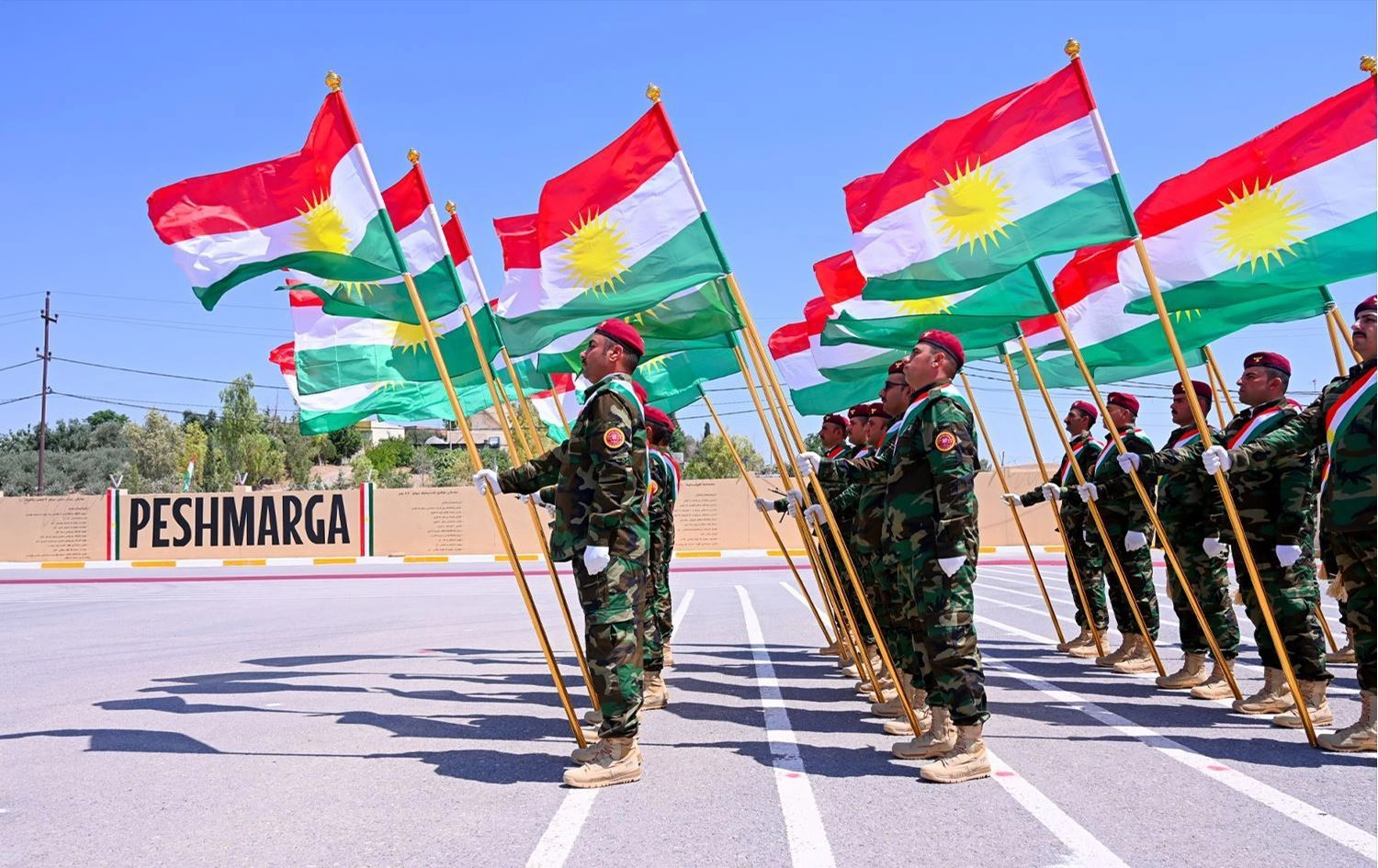
From Divided Forces to One Unified Force
Peshmerga Unification — The Process, Pressure and Remaining Challenges
For nearly two decades, the process of unifying and reorganising the Kurdistan Region’s Peshmerga forces has remained one of the most sensitive and consequential issues in the Kurdistan Region.
The process has faced significant domestic and international pressure, particularly from coalition partners. This report provides a concise overview of the state of the process, its main obstacles, and the international pressure surrounding the reform effort.
The Timeline and the Warning
The unification process was expected to be completed within a defined timeframe. Failure to move the process forward carried the risk of consequences, including pressure on international support.
What does the Peshmerga Minister say?
According to statements attributed to Lieutenant General Issa Ozer, Chief of Staff of the Ministry of Peshmerga Affairs, the process was expected to reach completion by September, with practical and unified steps to be implemented.
The U.S. Warning and International Pressure
U.S. pressure surrounding the unification of the Peshmerga forces had intensified. The concern was that failure to reach an understanding and implement the required reforms could affect the continuation of military and financial assistance from coalition partners.
International support—particularly from the United States and coalition countries—has been closely connected to the reform and unification process.
Numbers and the Party-Affiliated Forces
One of the central obstacles to establishing a unified national force has been the existence of party-affiliated forces and uncertainty surrounding the actual size of the Peshmerga.
“There are approximately 170,000 Peshmerga receiving salaries and serving in the Kurdistan Region. Of this number, around 120,000 belong to Units 70 and 80 and had not been integrated.”
Jabar Yawar, former Secretary-General of the Ministry of Peshmerga Affairs, discussed the figures in a television programme in August 2019 and referred to the forces associated with Units 70 and 80.
The existence of these two party-affiliated structures has long represented one of the major challenges facing reform and the creation of a unified national Peshmerga force.
Yawar also warned that failure to meet the expectations of international partners could create serious risks for the future of the Peshmerga.
The Presidency’s Position and Concerns
The leadership of the Kurdistan Region also repeatedly expressed concern about the slow pace of the Peshmerga unification process.
Nechirvan Barzani’s Position
Kurdistan Region President Nechirvan Barzani publicly stressed the importance of unifying the Peshmerga forces and described the continuation of reform as a central institutional priority.
Within this framework, accelerating the unification process became an important issue, particularly in relation to maintaining international support and building a unified national force.
Relations with Iraqi Forces
Regarding the relationship and coordination between the Peshmerga and the Iraqi Armed Forces, the Ministry of Peshmerga Affairs sought to establish a clear legal and organisational framework.
A Legal Framework
The Ministry has stated that any form of integration or coordination with Iraqi forces should be conducted through a legal framework rather than solely through temporary political agreements or negotiations.
The purpose of such an approach is to protect the constitutional position and rights of the Peshmerga as an official force responsible for protecting the Kurdistan Region within Iraq’s broader defence system.
CONCLUSION — Where Does the Peshmerga Unification Process Stand?
At the point described by this report, the Peshmerga unification process stood at a sensitive crossroads.
On one side, domestic delays and party-related obstacles between the Kurdistan Democratic Party and the Patriotic Union of Kurdistan complicated the reform and unification process.
On the other, international pressure—particularly from the United States and coalition partners—was closely linked to the demand for a unified Peshmerga structure.
From the perspective of the report, that period represented a decisive stage for the future of the Kurdistan Region’s Peshmerga: a period in which party-affiliated forces were expected to move toward becoming a unified, national and organised military force.
Have information about this story?
Reach our newsroom through a secure, encrypted channel.