How Mismanagement is Burying Zakho’s Agriculture
Farmers in Zakho are forced to sell 90% of their wheat at a loss, while their fertile land is permanently paved over for housing.
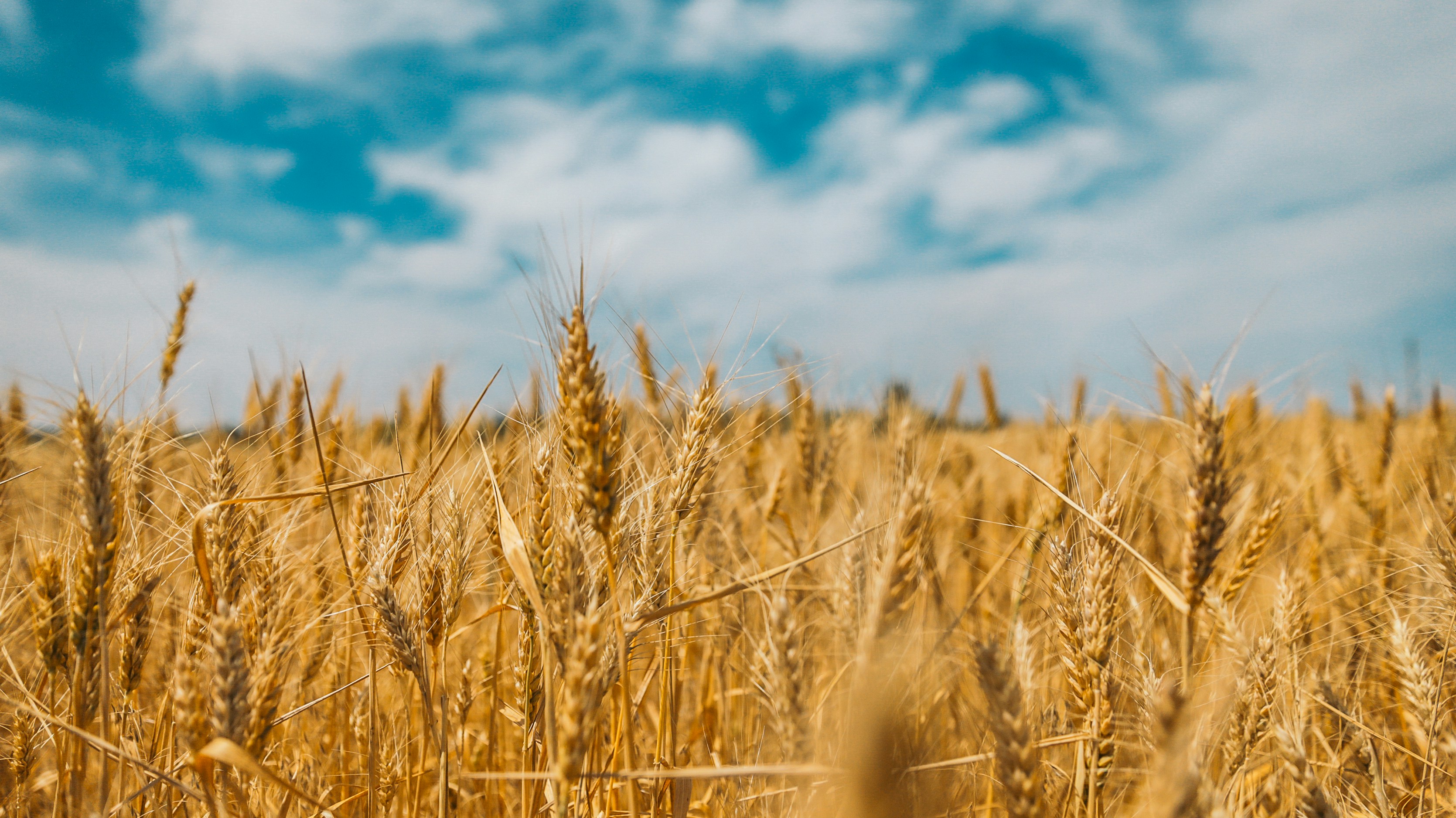
Farmers in Zakho are forced to sell 90% of their wheat at a loss, while their fertile land is permanently paved over for housing.
The silo takes one ton in ten. The rest is sold at a loss — and the land it grew on is already being paved over.
A farmer in the Zakho Independent Administration harvests 600 to 700 tons of wheat a year. The silo will take 80 of them.
This year, across nearly 300 wheat farmers, the Zakho silo is accepting only 10% of the crop — 31,000 tons total. The other 90% has nowhere sanctioned to go.
EXHIBIT A — Farmers, on the arithmetic
"We buy one ton of chemical fertilizer for one million Iraqi dinars, while in return we sell a ton of wheat on the black market for 250,000 dinars."
The math holds up. Silo-accepted wheat sells at 700,000 dinars a ton on-plan, 500,000 off-plan. Rejected wheat goes to the black market at roughly 350,000 dinars less than the silo price.
A farmer producing 600 tons loses 520 of them to that market — a loss of close to 200 million dinars in a single season. Two tons of wheat, sold outside the plan, still won't cover the price of the fertilizer that grew them.
The rejected wheat doesn't disappear. Traders buy it at 250,000 dinars a ton and move it to Mosul, a city of nearly two million, where it's processed and sold.
Flour made from the same grain the silo called unfit returns to Zakho's own market at 35,000 to 45,000 dinars per 50-kilogram sack. A kilogram of children's wheat cereal sells locally for 13,750 dinars; a kilogram of bulgur for roughly 2,000.
EXHIBIT B — The official explanation
"Our wheat is not suitable for flour!"
Bakery owners in Zakho have shut down over the resulting flour shortages more than once. Each closure, at minimum, ends the livelihood of six families.
Underneath the pricing dispute is a larger one: what the land is worth alive versus paved over.
Zakho holds nearly 300,000 dunams of arable land. An agricultural expert estimates that land could generate at least $90 million a year in wheat profit alone under competent management — a renewable figure, paid out annually, for as long as the land stays farmland.
Housing plots pay once.
The Independent Administration is converting that land into residential lots anyway, even though Zakho separately holds 80,000 dunams of rocky, non-arable land that could absorb the same housing need without touching a single wheat field.
The alternative math is already sitting on the table.
Distributing 20,000 land plots to employees at standard size requires roughly 2,200 dunams of agricultural land. Concentrating the same 20,000 units as apartment buildings on just 100 dunams would protect the remaining fields — and hand employees a finished building instead of an empty plot they have no salary left to build on, after years of cuts and delayed pay.
Zakho's wheat is being called unfit for its own silo, then resold to it as flour at triple the price.
The fields growing it are being called unfit for farming, then rezoned.
Neither claim survives contact with the ledger sitting next to it.
Have information about this story?
Reach our newsroom through a secure, encrypted channel.